
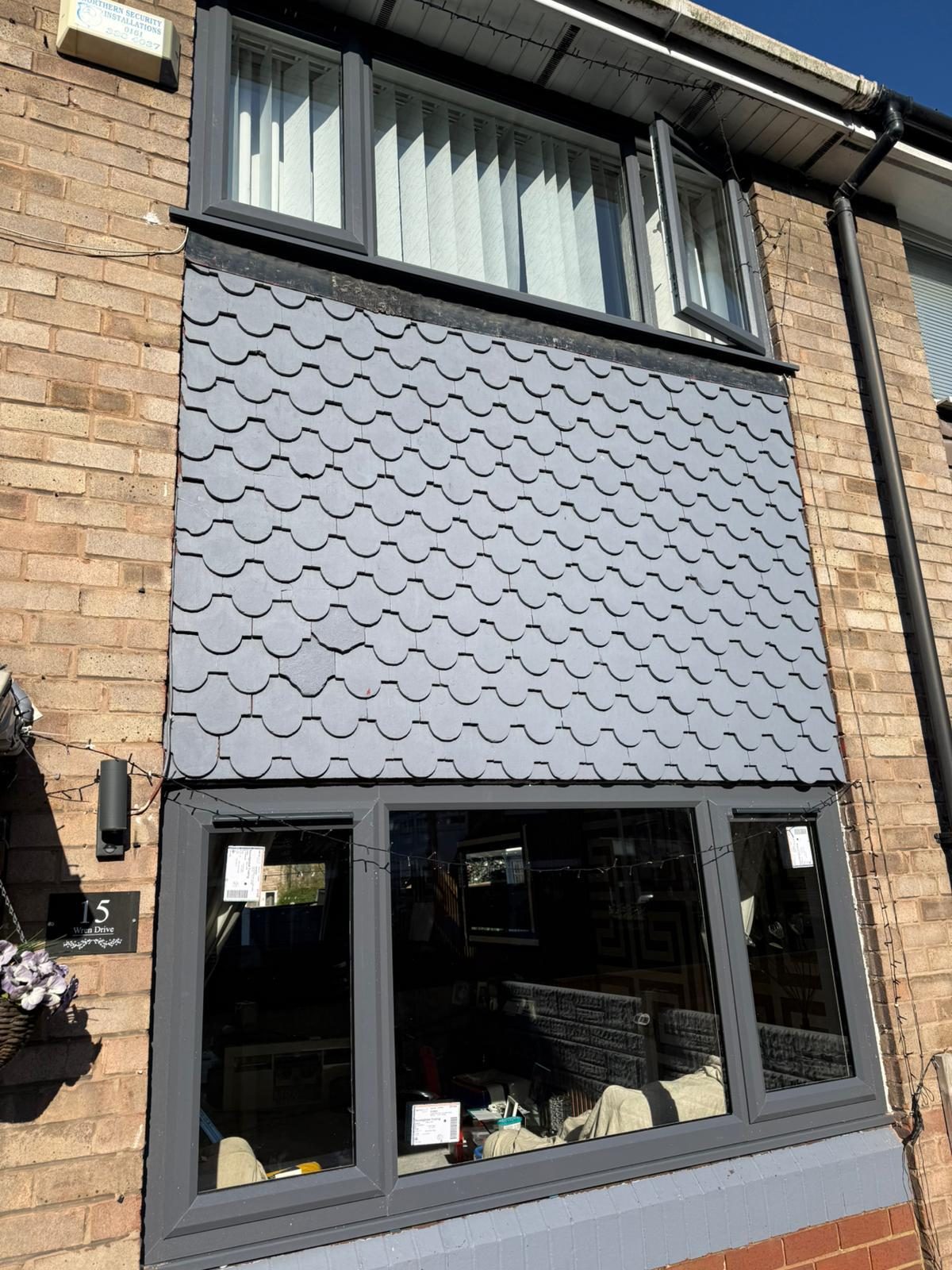
uPVC is the default for replacement windows in the UK. Aluminium is the alternative — more expensive, slimmer, and increasingly popular on modern and period properties where the chunkier uPVC frame doesn't suit the style.
The most obvious difference is sightline. Aluminium frames can be significantly slimmer than uPVC because aluminium is stronger. More glass, less frame. On a period property where you want the maximum glass area, aluminium wins on aesthetics.
uPVC is cheaper and more insulating. The multi-chamber construction of a uPVC frame traps air, which is a good insulator. Aluminium conducts heat, so the frame itself needs a thermal break (a plastic section inside the frame) to prevent heat loss. A good aluminium window with a thermal break performs comparably to uPVC — but costs more.
Lifespan is where aluminium pulls ahead. uPVC discolours over time — yellowing is common on white frames after 15–20 years, especially on south-facing elevations. Anodised or powder-coated aluminium doesn't discolor. It will last 30+ years with minimal maintenance.
For most replacement jobs in Warrington, uPVC is the sensible choice — good performance, good price, good range of colours. Aluminium is the right call when the frame sightline matters, the property is high-end, or you want a 30-year-plus solution.
Ready to talk about your project?
Free survey, honest quote, no obligation. Usually same working day callback.